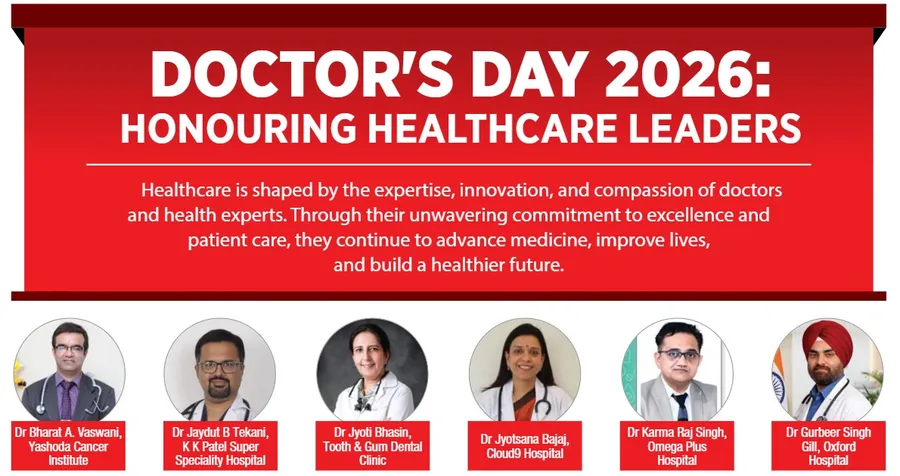
2026, Forbes India
Doctor's Day 2026: Honouring Healthcare Leaders
Listed in this Brand Connect feature, Forbes India, 10 July 2026.

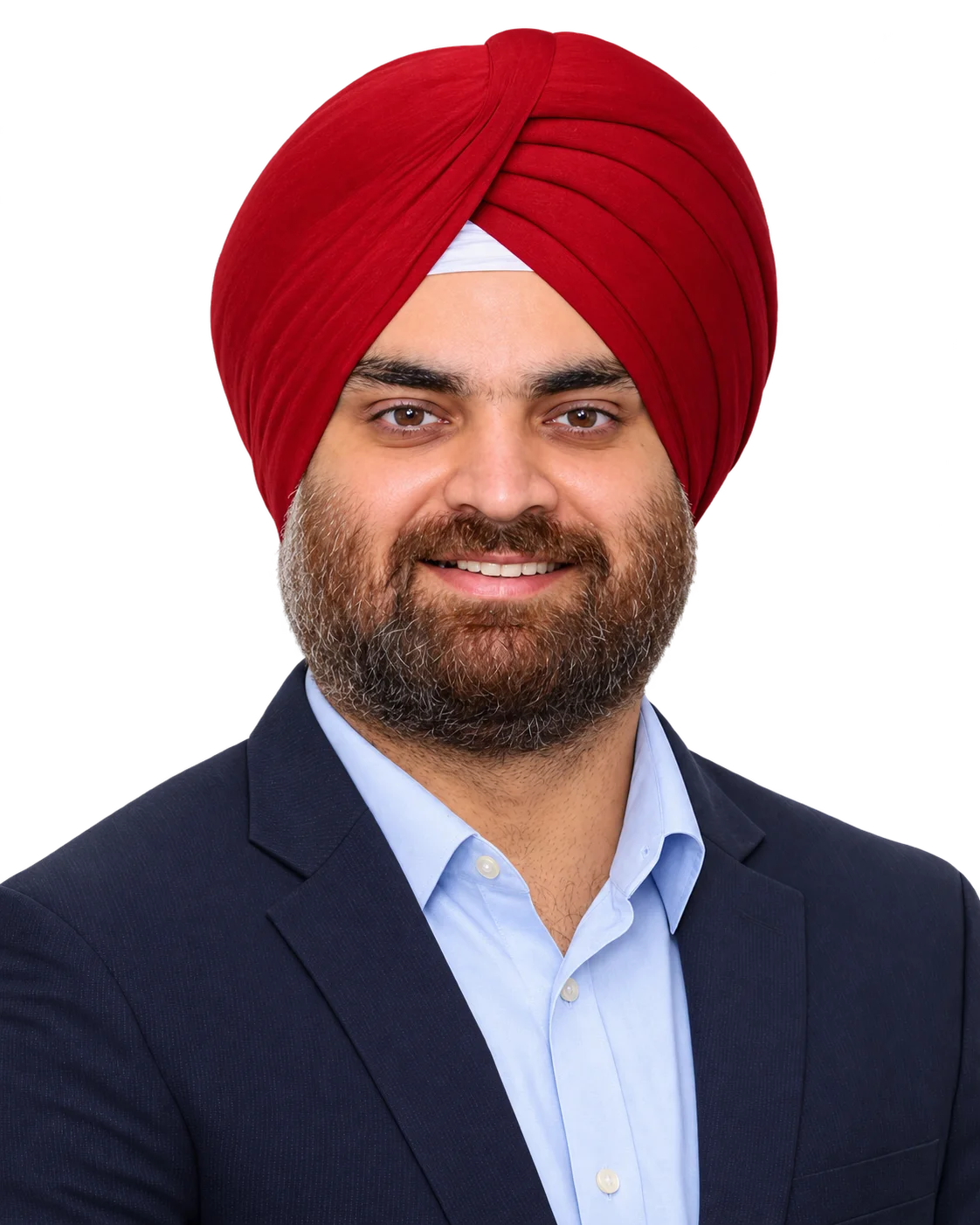
Interventional Cardiologist
Managing Director and Chief Interventional Cardiologist, Oxford Hospital, Jalandhar.
Clinical practice
Dr. Gill treats the full range of heart disease, including coronary artery disease, heart failure, hypertension and disorders of heart rhythm. Each treatment plan rests on the patient's clinical findings and the published evidence.
That figure alone does not establish that a stent will help. The decision depends on three clinical questions.
These questions apply to stable disease. In a heart attack, emergency angioplasty is life-saving treatment, and every hour of delay costs heart muscle. Dr. Gill performs this procedure, and it should not be deferred.
Chest pain lasting more than a few minutes, pain spreading to the arm, jaw or back, breathlessness at rest, sweating or collapse: call 112 or go directly to the nearest emergency department. Do not wait for an appointment.
Published in 2020, it randomly assigned 5,179 patients with moderate or severe ischaemia, the group most expected to benefit from an invasive approach.
Median follow-up 3.2 years. Primary events numbered 318 and 352; the difference at 5 years was not statistically significant, and early events were more frequent with the invasive strategy. Patients with angina at baseline reported greater symptom relief with the invasive strategy.
Approach
“Other than the quality of treatment, it is the quality of life which I can provide to my patients is what I evaluate myself on as a doctor.”
Dr. Gill, in an Impact feature
Dr. Gill performs the full range of coronary and structural procedures. In stable disease, treatment begins with optimal medical therapy; in acute events, intervention is immediate. Patients remain under his follow-up for a minimum of six months.
His approach →For the country
Born in Sangwal, Jalandhar, in 1890, he travelled to the United States for higher education and joined the Ghadar Party. He returned in 1913 to take part in the struggle against British rule, and was executed at Lahore jail on 12 August 1915. Dr. Gill is his great-grandson.
A century later
After training in the United Kingdom's National Health Service, Dr. Gill returned to Punjab to serve its people. He is Managing Director and Chief Interventional Cardiologist at Oxford Hospital, Jalandhar.

The motto of Oxford Hospital extends beyond its walls. Dr. Gill has conducted more than 1,000 free medical camps in gurdwaras and villages across the region, offering ECG and blood pressure screening at no cost.
Illustration. Not patients of Dr. Gill, and not a promised outcome.Consultations
Whether you have been advised to have a stent or are concerned about your heart, Dr. Gill can review your reports and discuss the options with you at Oxford Hospital, Lajpat Nagar, Jalandhar.
Optimal medical therapy is demanding for patient and physician alike. Dr. Gill offers both medical and interventional treatment, and recommends whichever the clinical picture supports.
Informed by seven randomised trials enrolling 11,923 patients: COURAGE 2007, BARI 2D 2009, FAME 2 2012, ORBITA 2018, ISCHEMIA 2020, REVIVED-BCIS2 2022 and ORBITA-2 2023.
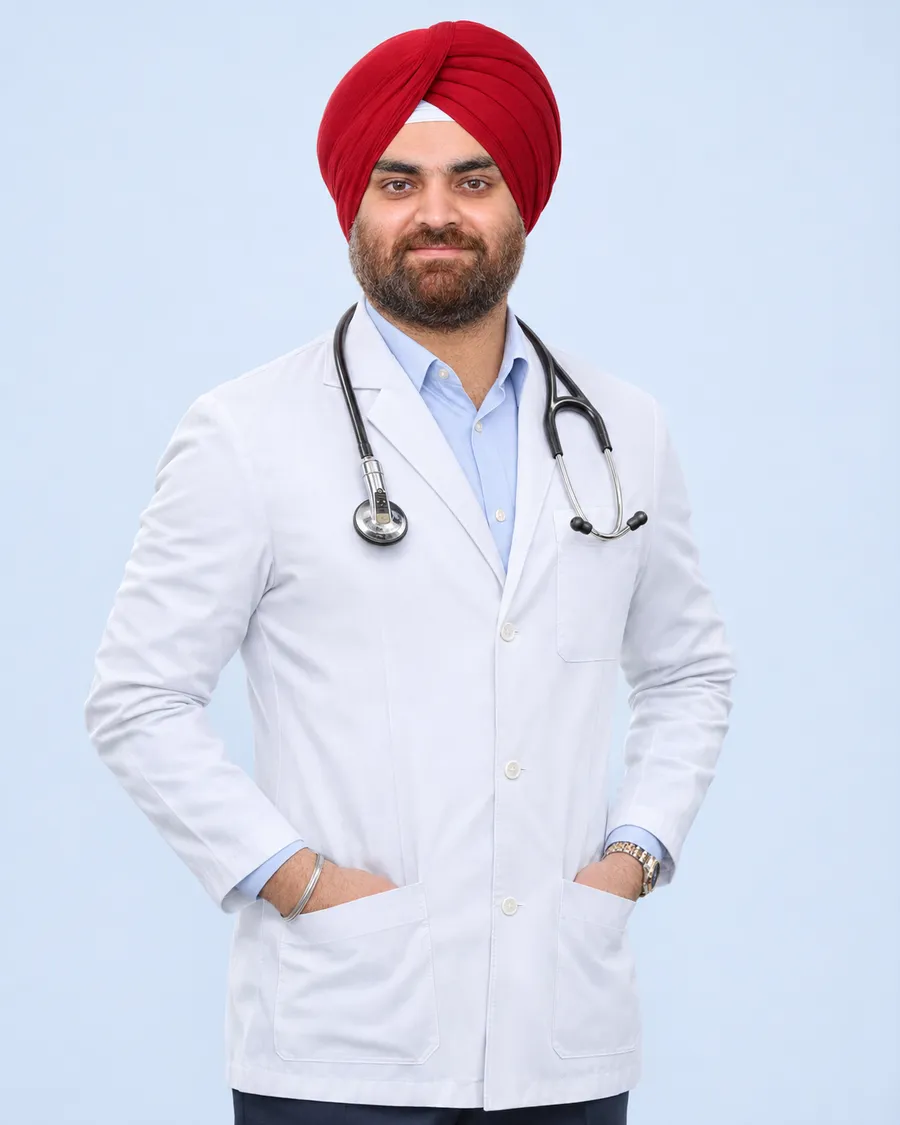
“Being a doctor is one profession where you can earn respect with service to mankind.”
Dr. Gill comes from a family of doctors and is the great-grandson of a freedom fighter who gave his life for India.
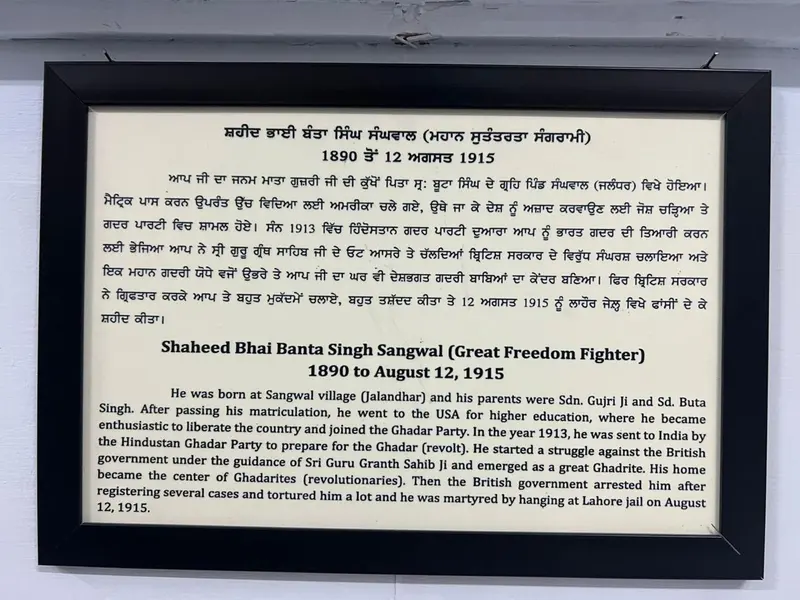
Shaheed Bhai Banta Singh Sangwal, 1890 to 1915, Dr. Gill's great-grandfather.
Each entry is presented with the press clipping or photograph that documents it.
Listed in this Brand Connect feature, Forbes India, 10 July 2026.
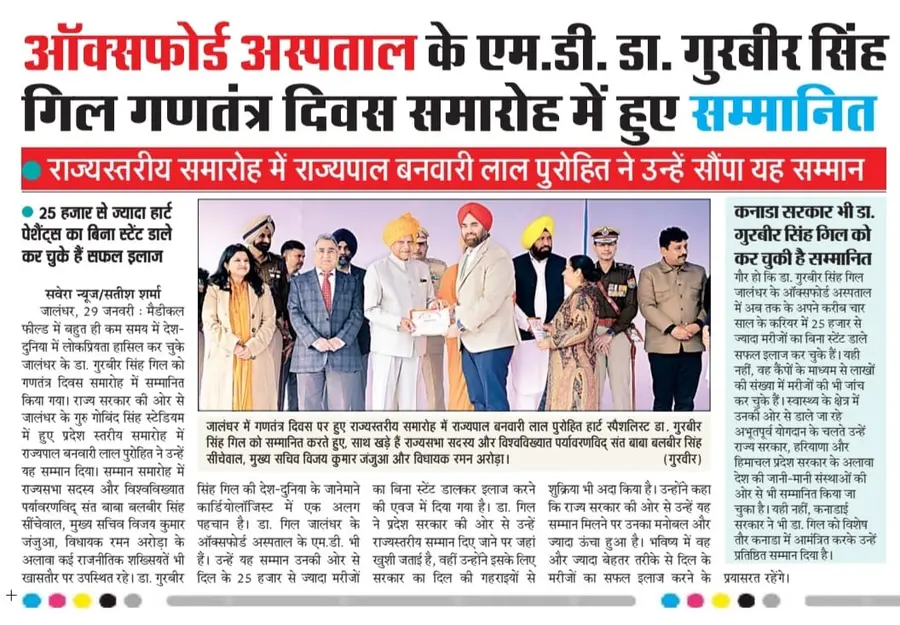
Conferred by the Governor of Punjab, Banwarilal Purohit, at Guru Gobind Singh Stadium, Jalandhar.
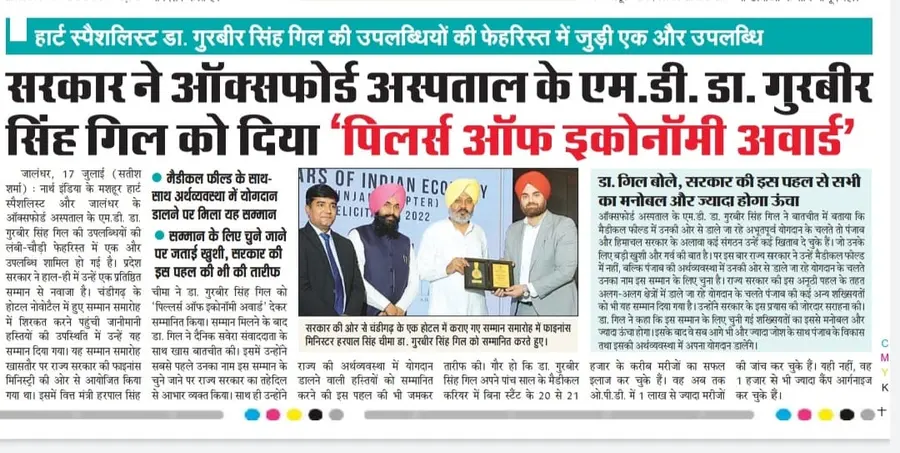
Presented by Punjab's Finance Minister, Harpal Singh Cheema, in Chandigarh.
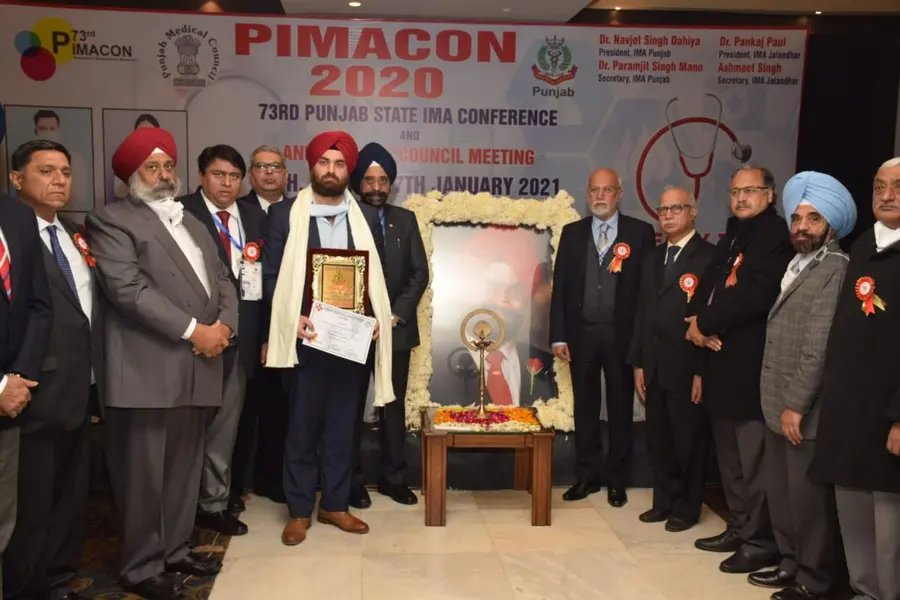
73rd Punjab State Conference of the Indian Medical Association, January 2021.
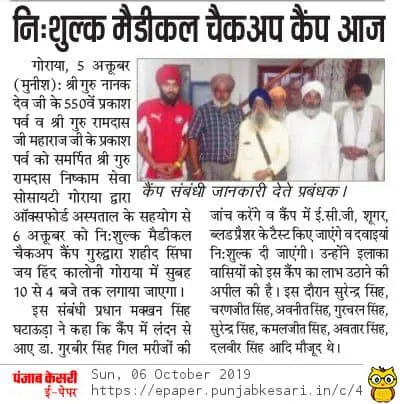
A free camp at Gurdwara Shaheed Singha, Goraya, reported by Punjab Kesari.
Also reported in Ajit, Jagbani, Punjab Kesari and Silicon India.
A heart attack or high-risk acute coronary syndrome is a medical emergency. Emergency angioplasty is life-saving, and every hour of delay costs heart muscle.
Chest pain lasting more than a few minutes, pain spreading to the arm, jaw or back, breathlessness at rest, sweating or collapse: call 112 or go directly to the nearest emergency department. Do not wait for an appointment.